
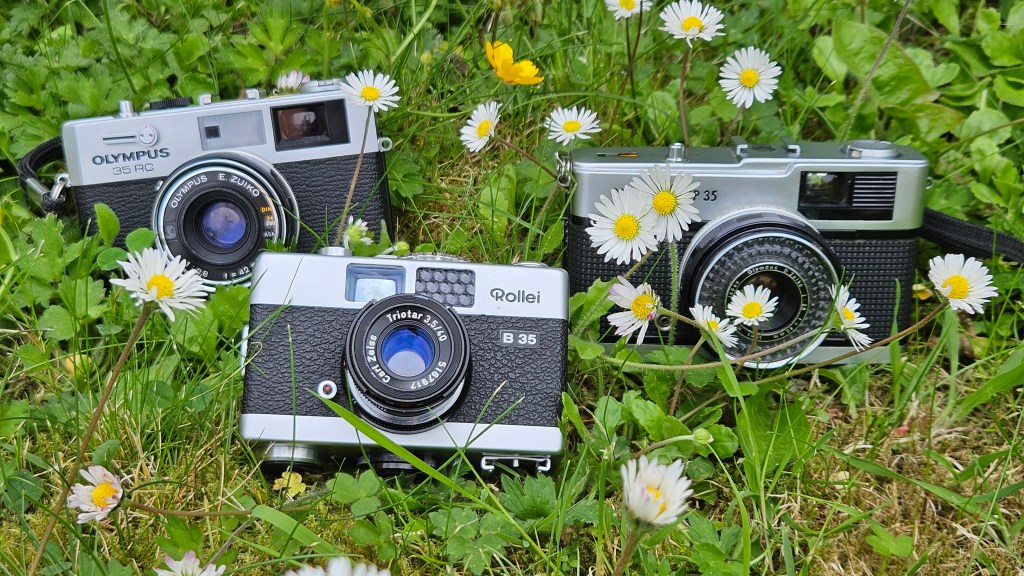
If you’ve been folowing this site of mine over the years then you’ll know that I’m a big fan of interchangeable lens film cameras … they really do offer the maximum amount of choice, adaptability, and portability.
However, what if you need something smaller – a really small camera that can fit in your pocket but still gives you all the controls ??
I’ve gotten close to this with my Nikon F75, Canon 300X and Nikon FE2 (even though the FE2 is almost double the weight of the prior two), but they’re just not pocketable.
During the autumn of 2023 I began exploring this area, and it opened the door to the interesting world of smart point & shoots, and fixed lens compacts.
I need control
Before I went down the rabbit hole of endless fan-boy reviews of compact cameras, some of which cost a ridiculous sum of money, I put together a list of must-have features for my potential pocketable camera:
- Proper aperture controls, ideally f2.8 through to f16 / f22
- Shutter speed controls, ideally 1/15 through to 1/500 or 1/1000
- The ability to focus, whether rangefinder or at the very least, marked out distances from 1m / 3 feet to infinity
- A hotshoe mount
- A size that fits in jacket pocket
- A weight that’s less than 350g / 12 oz
- A price that’s not more than €200 / $250 / £170
Interestingly enough this helped enormously to whittle down the list considerably … with the folowing cameras quickly bubbling up to the top: Nikon 35Ti, Yashica T4, Olympus Trip 35, Olympus 35 RC, Olympus XA, Olympus Mju, Minox 35GT, Rollei 35 B/S/T, etc.
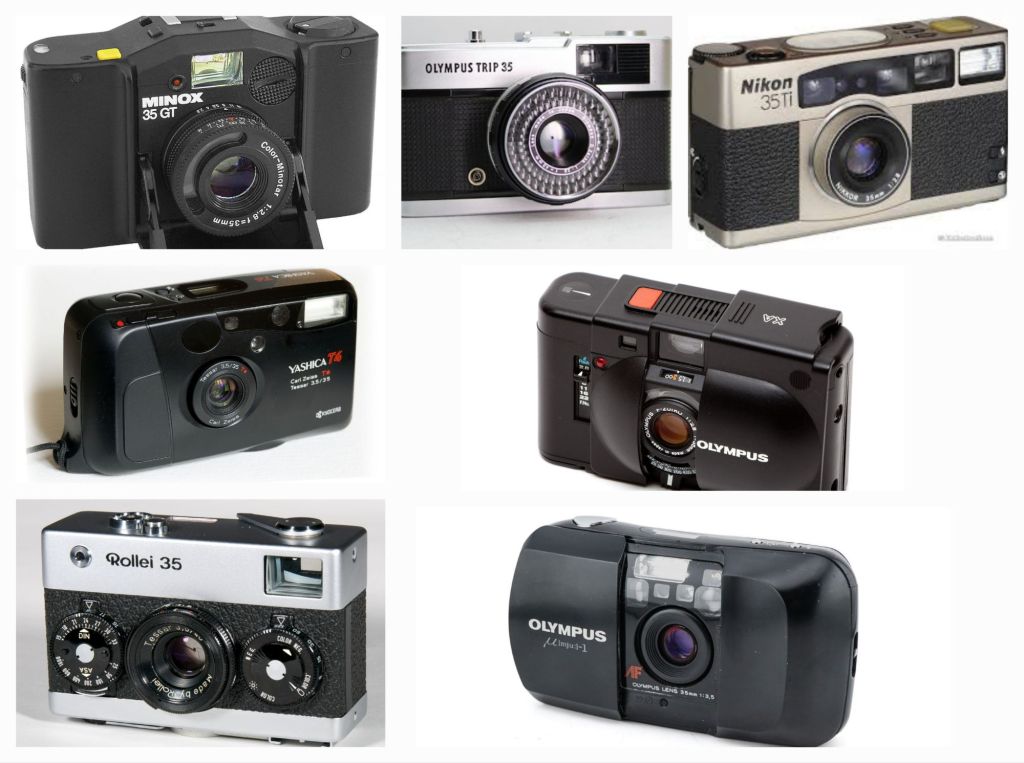
However, hitting eBay and other such sites, the prices of the above cameras varied wildly … and not in a good way 🤯
Having had a couple of years experience with prosumer Nikon & Canon SLR cameras which offer features like matrix metering, slow-sync, etc. all for less than €100 … I was shocked at some of these compacts demanding double, triple or quadruple the price, and for less functionality!?
Contestant No. 1 – Rollei B35
The B35 is the unloved sibling of the uber-popular 35 / 35S & 35T … it sells for €70 – €140 (so the cheapest of the bunch in this blog-post) and this tiny little camera with its fixed 40mm f3.5 lens is purportedly the smallest fully functional camera, with a light meter, ever built.
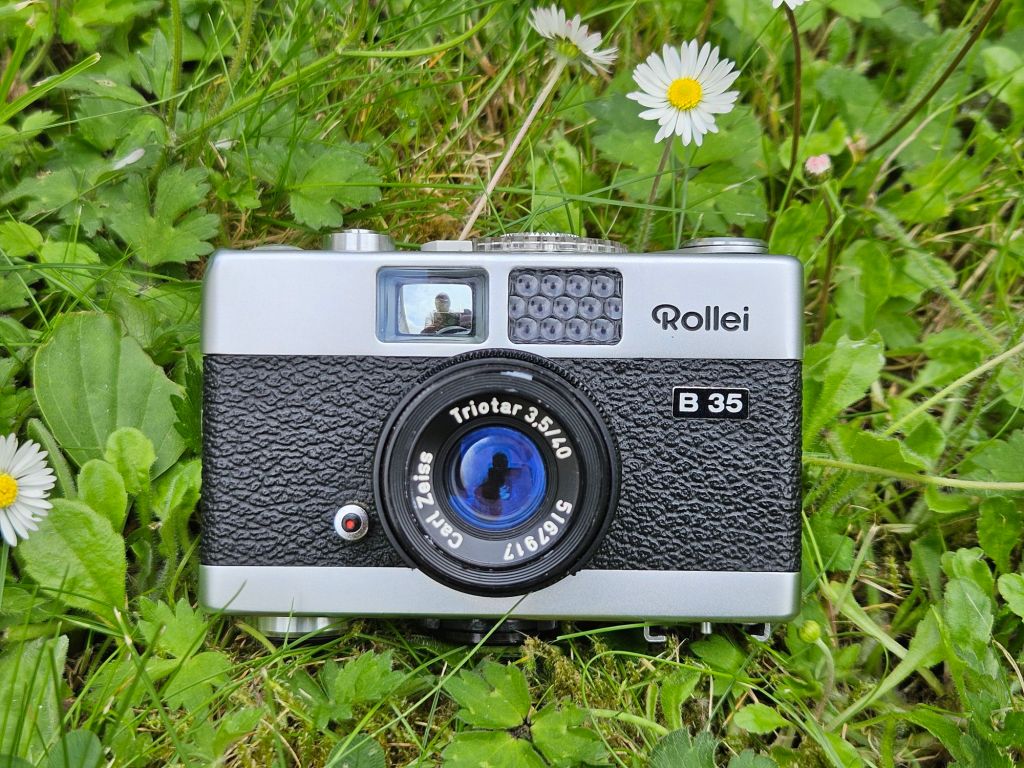
A quick run through its key specifications:
- Lens: the B35 is an in-house Rollei 40mm f3.5 (f3.5 to f22)
- Focus: manual focus from 0.9m to infinity
- Shutter: Bulb, 1/30 through to 1/500
- Mode(s): Manual only
- Meter: Selenium light meter, center-weighted
- Power: Battery not required
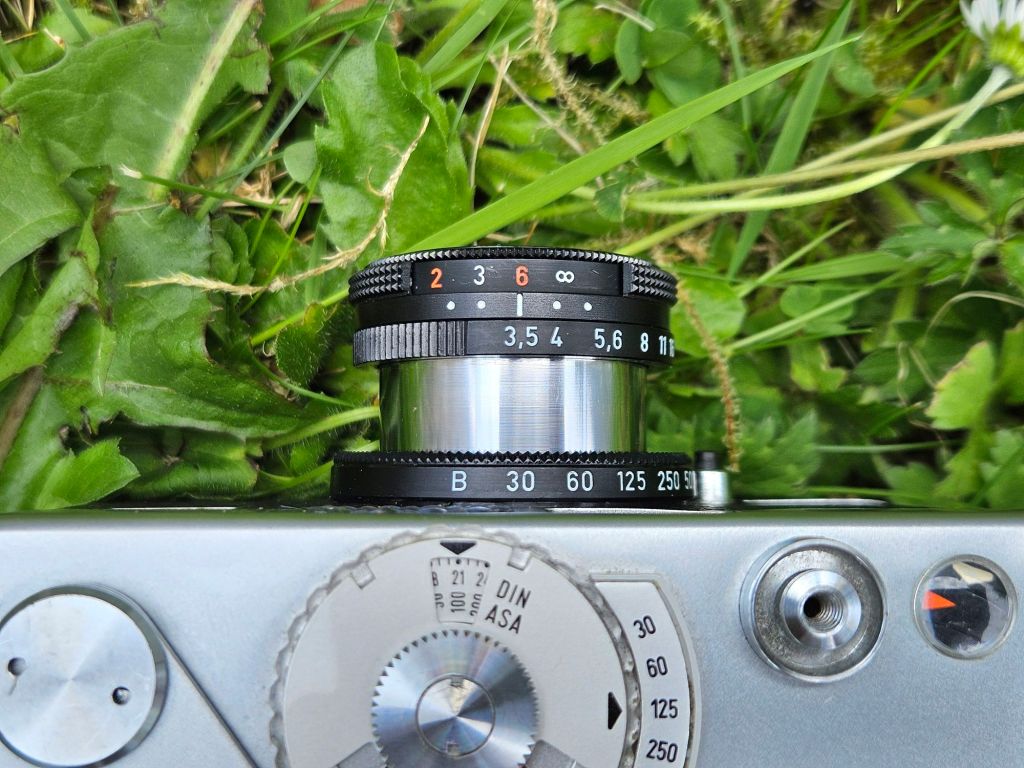
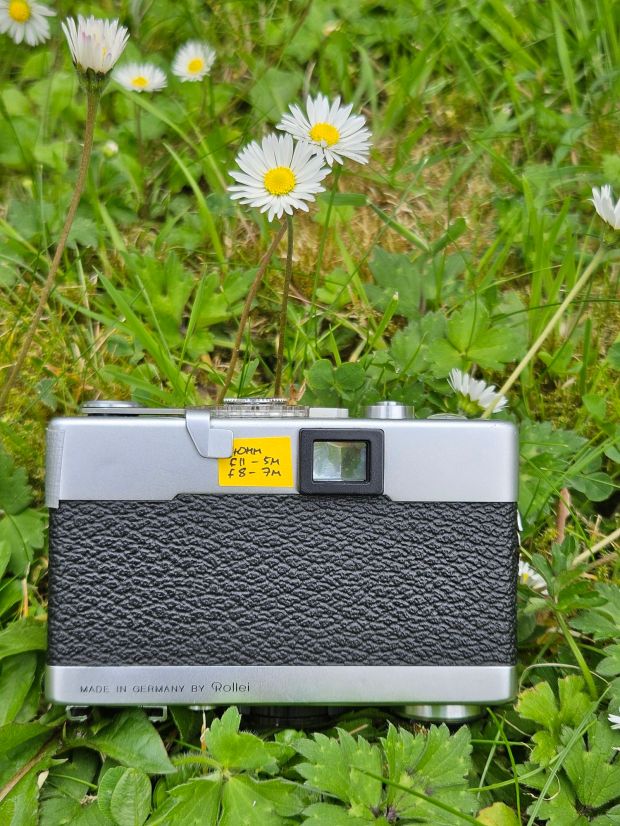
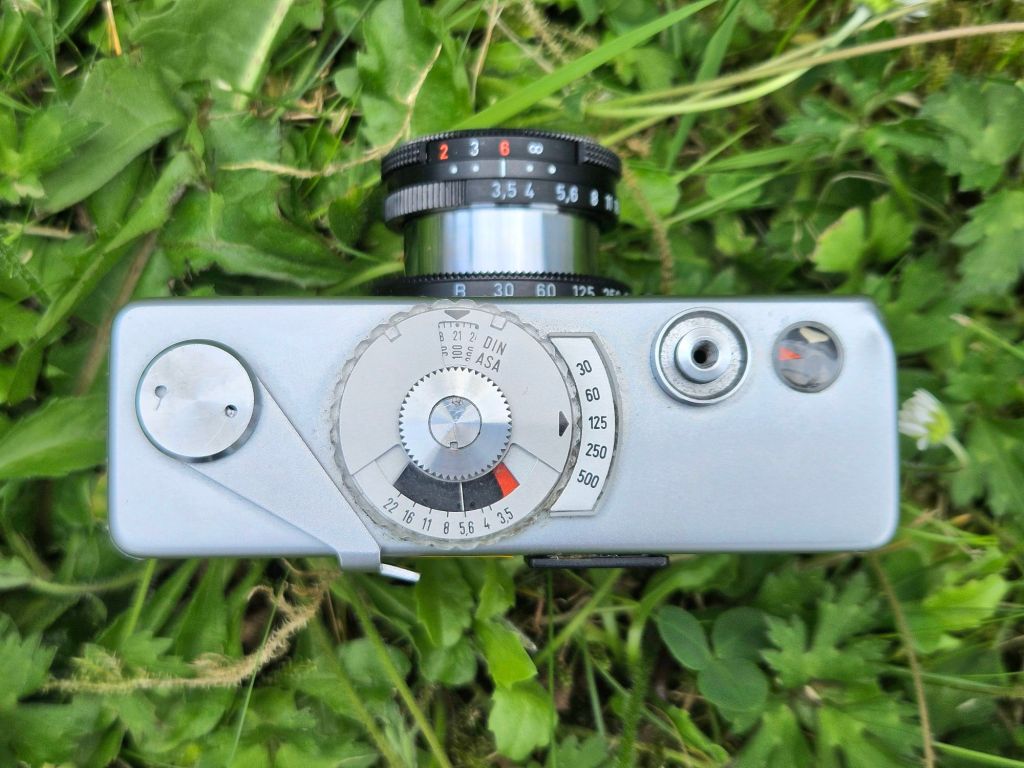
I will admit that this camera made me feel very nervous … the focusing was going to be a case of either a) setting the lens to f8 and the hyper-focal distance of 7m / 22 feet, or b) skilling-up on learning how to distinguish the difference between 1m, 1.5m, 2m and 3m … 🤯
The copy of the B35 I got looked acceptable online, however when I received it, I discovered that the front & rear elements were very grubby and required maintenance. I’ll write up a blog post on how I fixed this problem another time …
It was a big learning curve for me, getting comfortable not having any focusing mechanism … the payoff, was that the B35 is exceptionally portable.
If you ever get one, here’s the secret sauce to judging distances with the B35 (the framing refers to the camera being horizontal in each case):
- 1m / 3 feet: one person, head & shoulders
- 1.5m / 5 feet: two people side-by-side, head & shoulders
- 4.5m / 15 feet: two people, full length
- 7m (22-23 feet): all streetscape photos
- Infinity: all big-vista landscapes
The Selenium cell on my copy was very accurate, and I know from online articles that it’s important to keep it covered up when not in use, to ensure it’s longevity.
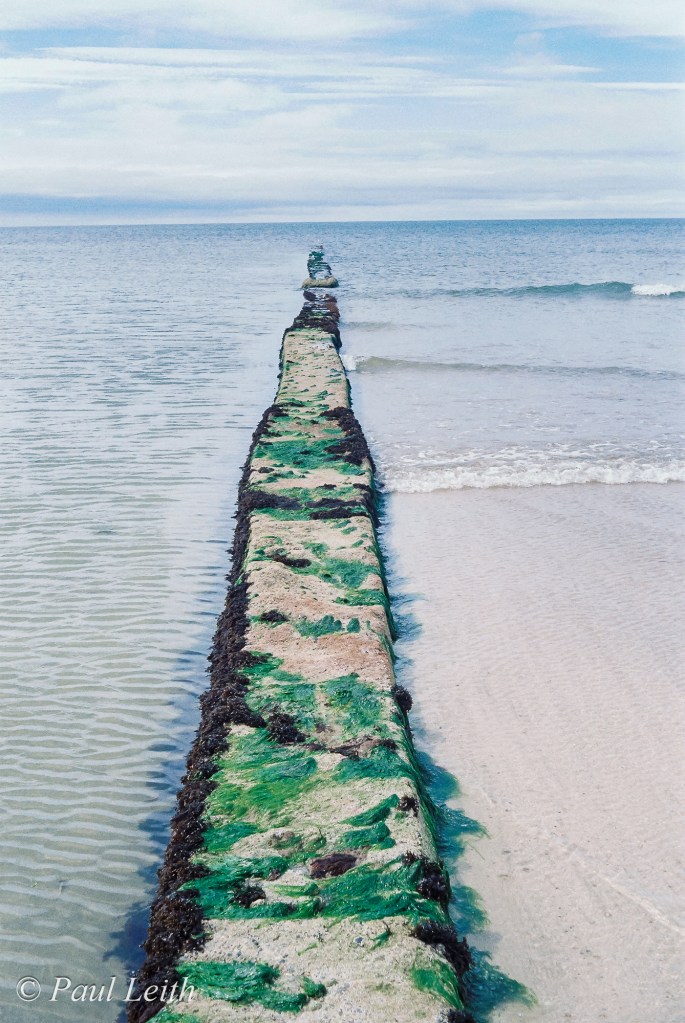
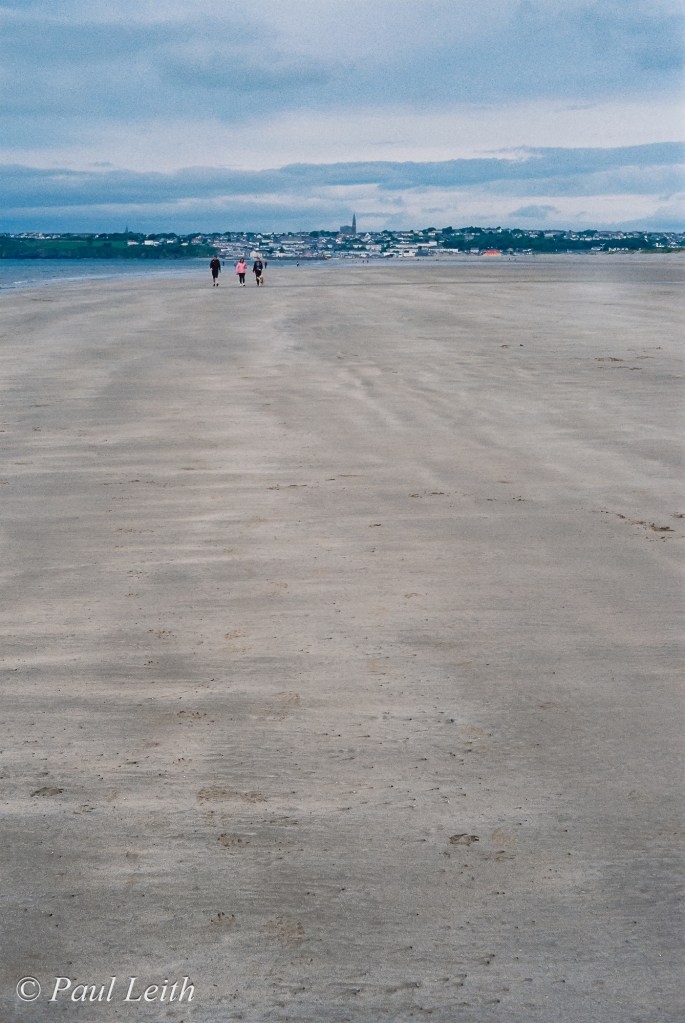
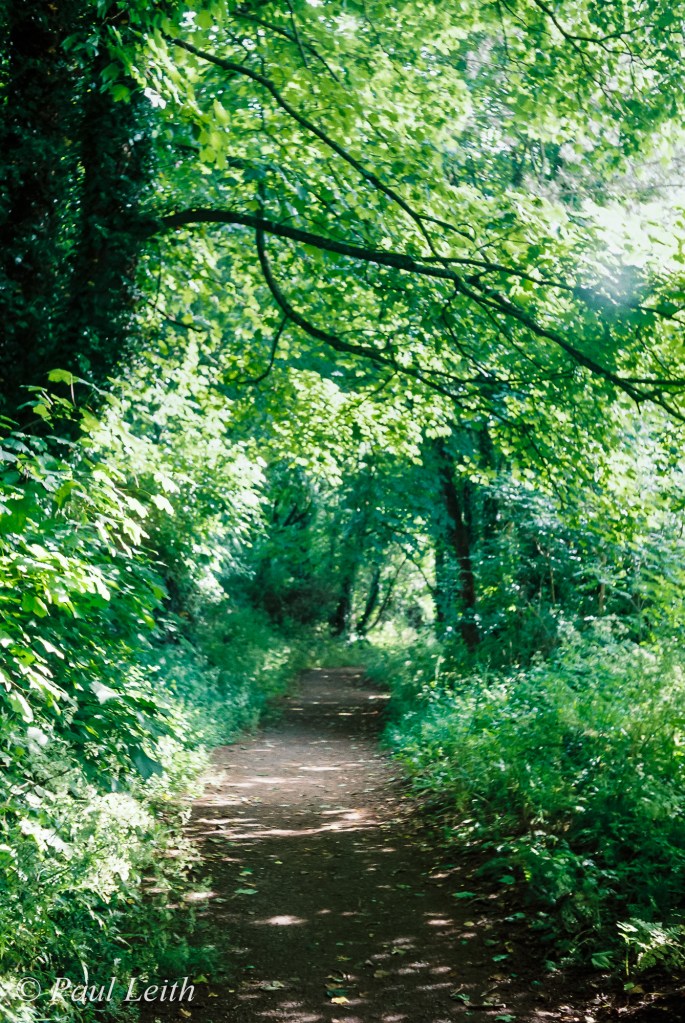
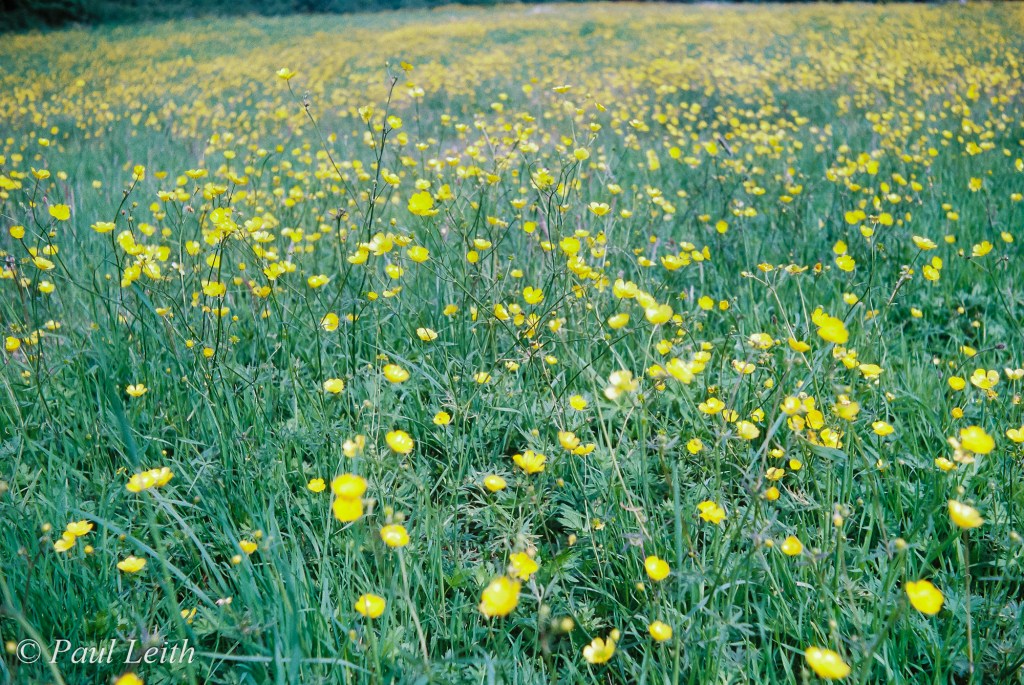
It’s worth noting that f3.5 is not too bad, and from f4 onwards the lens on this B35, despite being the ‘cheaper’ sibling of the 35 / 35S / 35T is actually tack-sharp !
I’m really enjoying using this camera, especially in street & landscape situations – it is quite literally a fire-and-forget, fantastic!
Contestant No. 2 – Olympus Trip 35
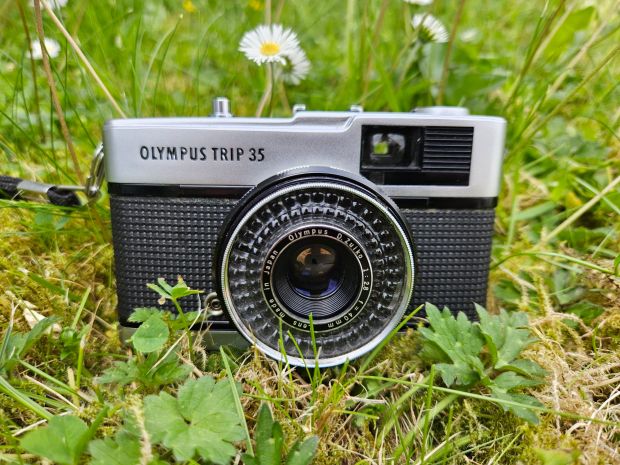
This compact camera is a no-brainer, and while the Trip 35 is a bit of a hipster camera, it sells second-hand for around €120-€160, and even though it only has 2 shutter speeds (1/40 and 1/200) it still offers aperture controls in a lightweight package.
A quick run through its key specifications:
- Lens: Zuiko 40mm f2.8 (f2.8 to f22)
- Focus: manual focus from 0.9m to infinity
- Shutter: 1/40 or 1/200
- Mode(s): Program or manual
- Meter: Selenium light meter, center-weighted
- Power: Battery not required

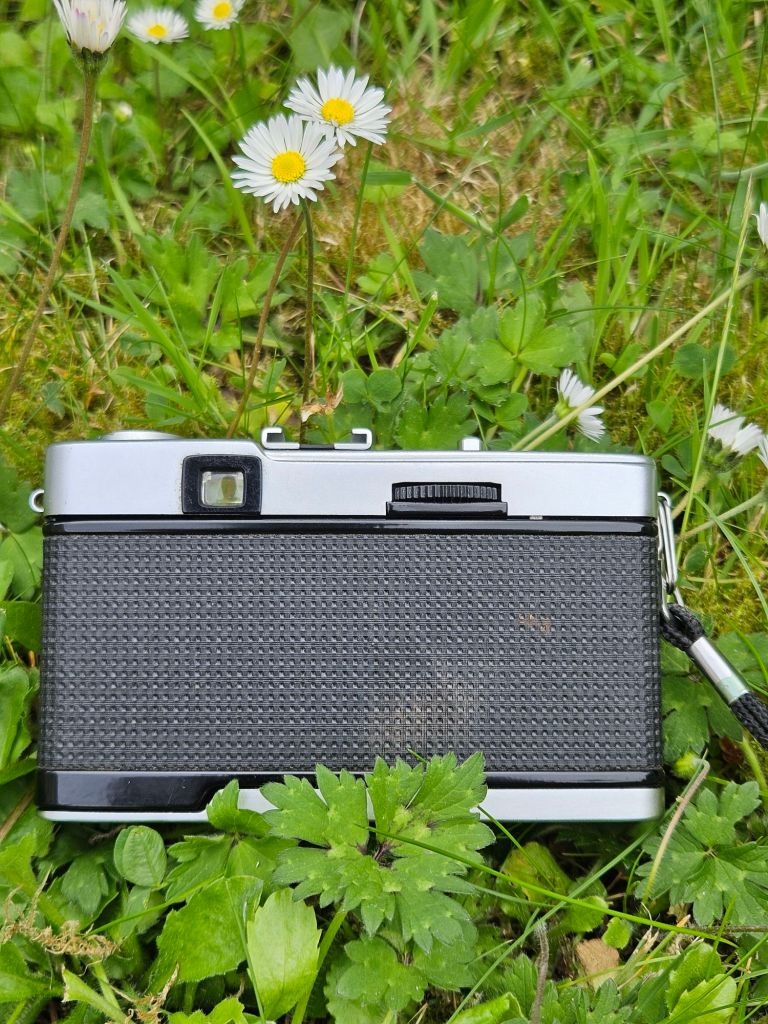
So how does it work … when I initially published this blog post, the response to this questions was “I have no idea”. The first Trip 35 I bought looked great on eBay, but upon receipt, I soon noticed the inner lens element was completely unusable. The second Trip 35 I bought had a perfect lens & meter assembly, but it wouldn’t wind forward – after I opened it up, I noticed that the winding cog had a hairline crack, which then split all the way through 😲
The good news is I was able to transplant the winding cog from the 1st Trip into the 2nd Trip, and I have been amazed by the quality of images this little camera is capable of.
The selenium cell of my 2nd Trip is predictable, it will overexpose by 2 stops at ISO 100, and overexpose by 1 stop at ISO 200. The lens is tack sharp, provided you don’t mind getting to grips with zone focussing estimating, similar to the Rollei B35 above.
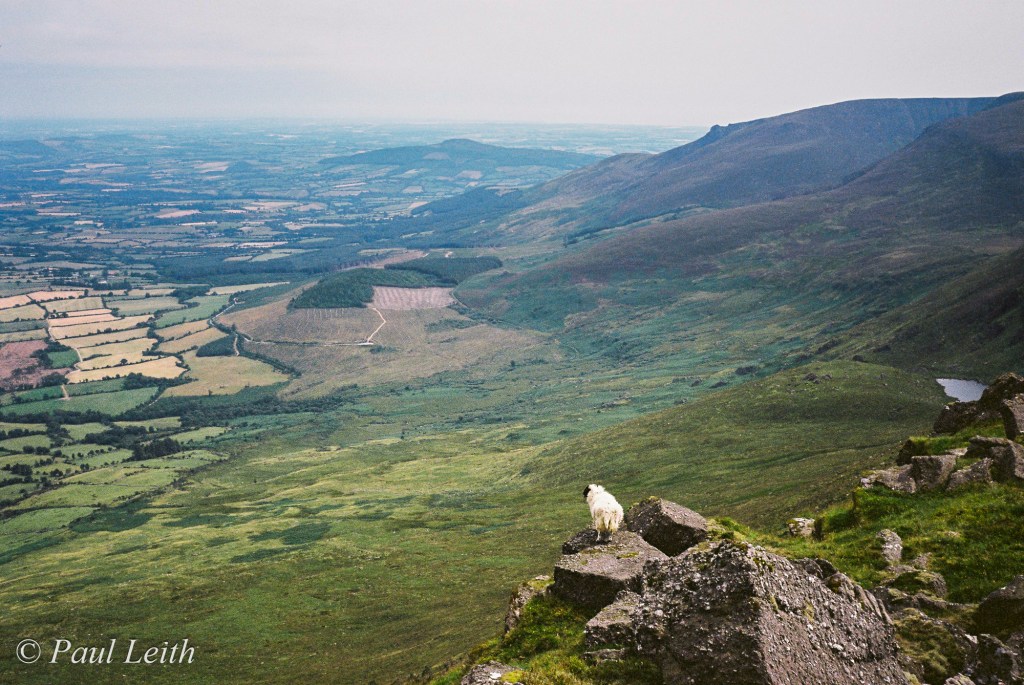
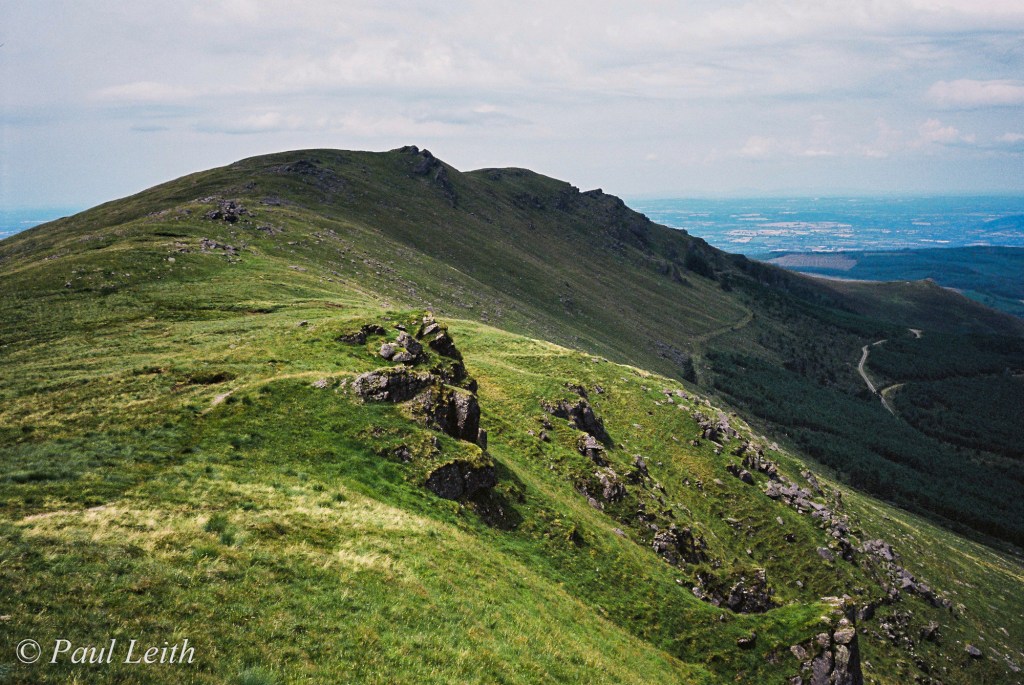
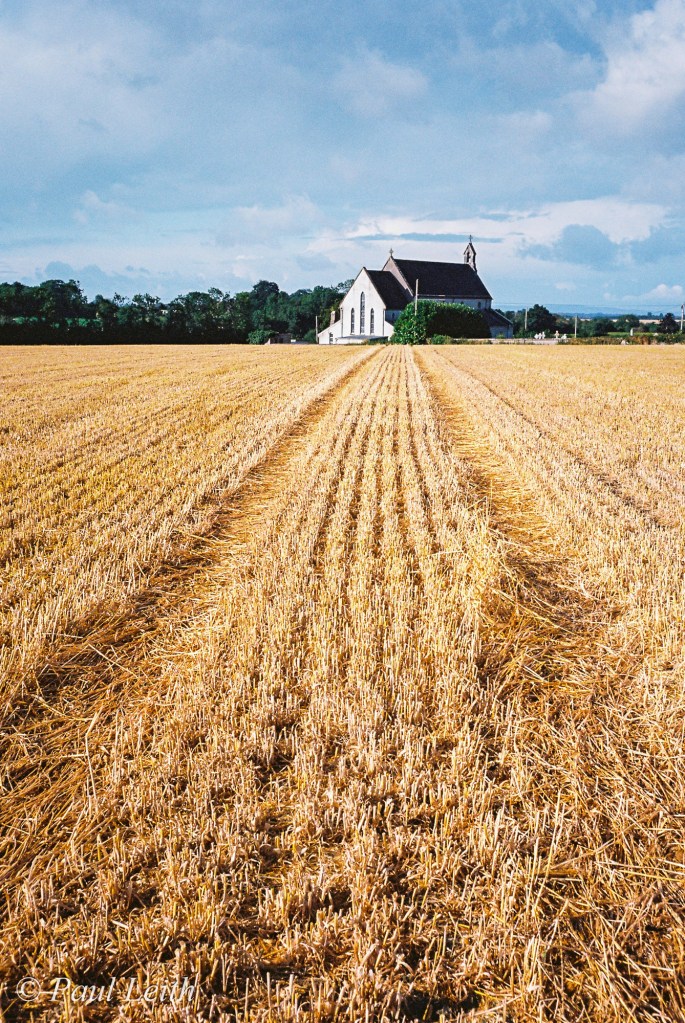
After some use, I quickly realized that the very thing that made it a top selling camera in the 60-70’s was holding me back – the automatic 1/40 and 1/200 shutter speed selection meant that trying to shoot f2.8 or f4 at 1/200 was never going to be a possibility.
You see, the Trip 35 is designed to try and achieve f8 or f11 as much as possible, unless you manually choose an aperture = 1/40 = too slow = f11 problem again = too inflexible for me.
Contestant No. 3 – Olympus 35 RC
Top of my list was the Olympus 35 RC, with its bright fixed 42mm f2.8 lens – claiming to be the smallest fully functional rangefinder ever made. It sells for €170-€250 second-hand, and is the biggest outlay of this budget-conscious endeavour.
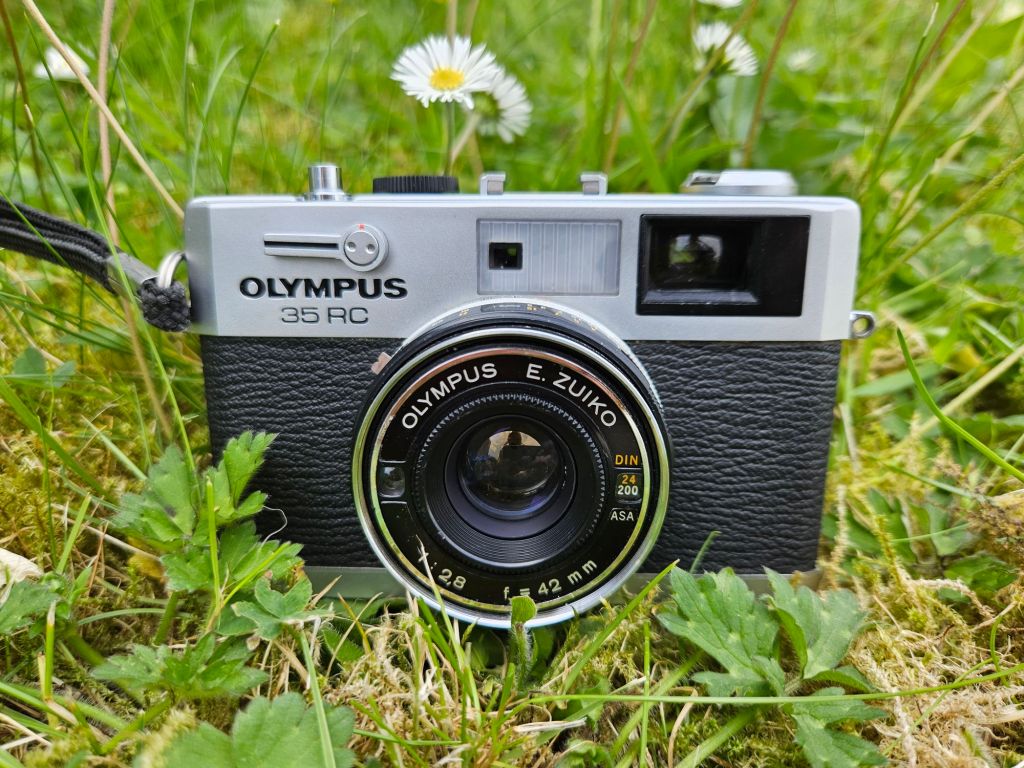
A quick run through its key specifications:
- Lens: a Zuiko 42mm f2.8 (f2.8 to f22)
- Focus: rangefinder patch, 0.9m to infinity
- Shutter: bulb, 1/15 through to 1/500
- Mode(s): shutter priority and manual
- Meter: CdS light meter, center-weighted
- Power: 675 battery (i.e. a hearing aid battery) and adapter … for metering
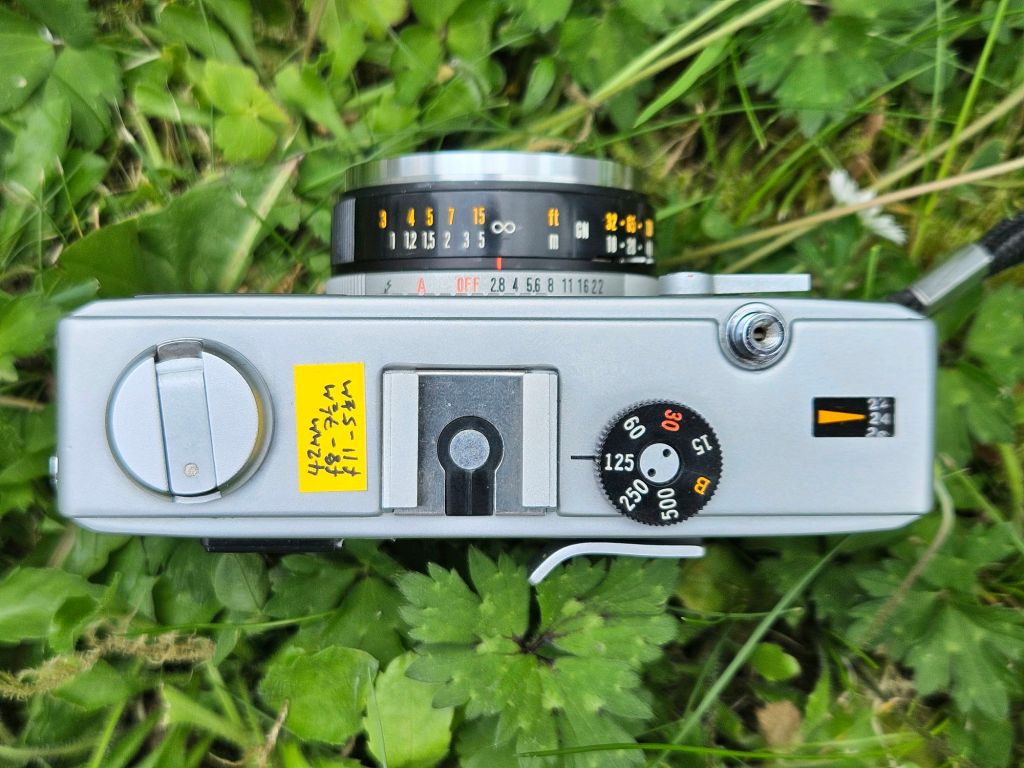
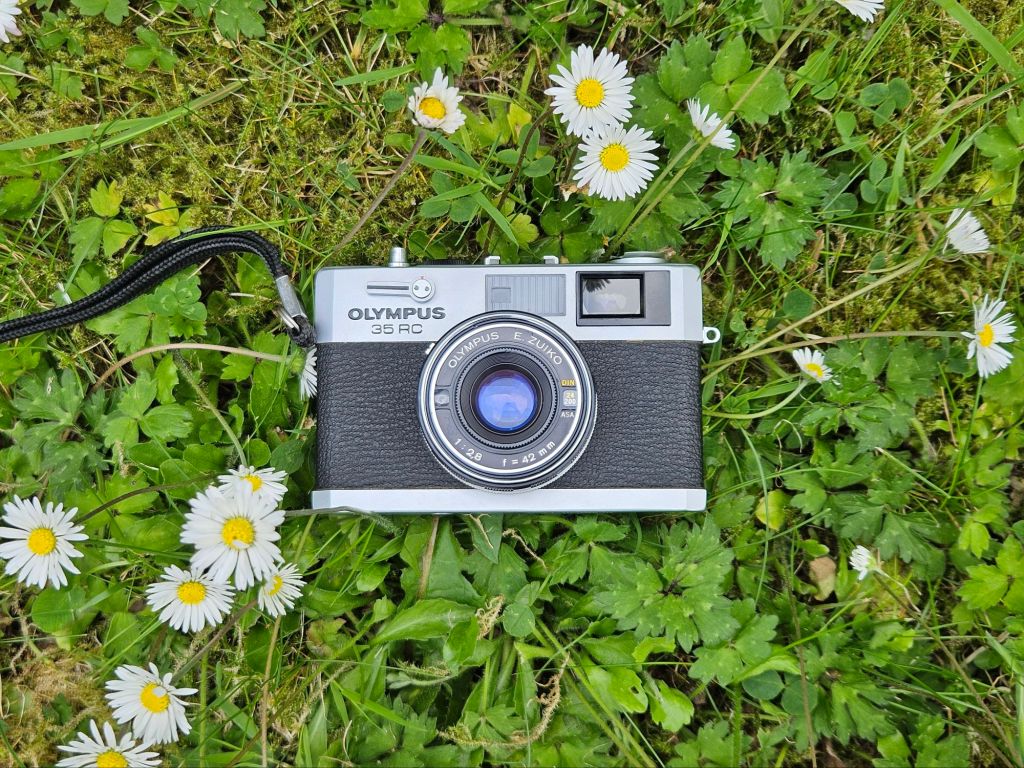
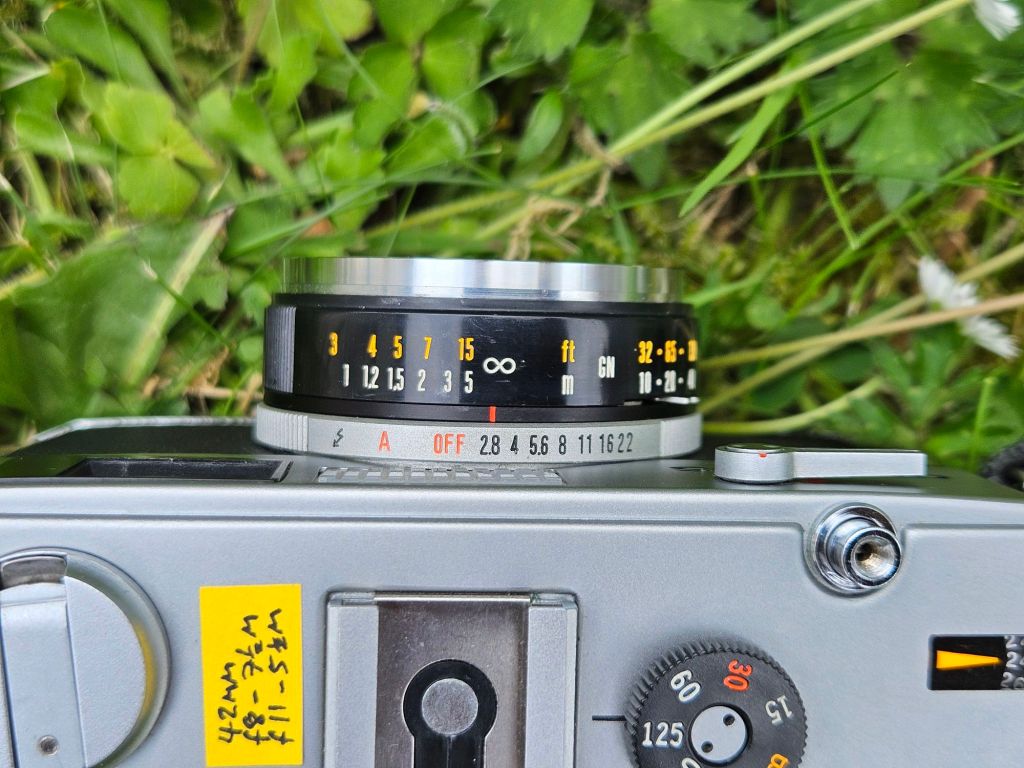
I found this to be a fantastic camera to use, from both a usability & performance perspective. The lens was absolutely tack-sharp, with my landscape images showing levels of detail I only expected to see in my Nikon & Canon primes.
Meanwhile it’s focusing mechanism and metering accuracy were spot-on, wow !
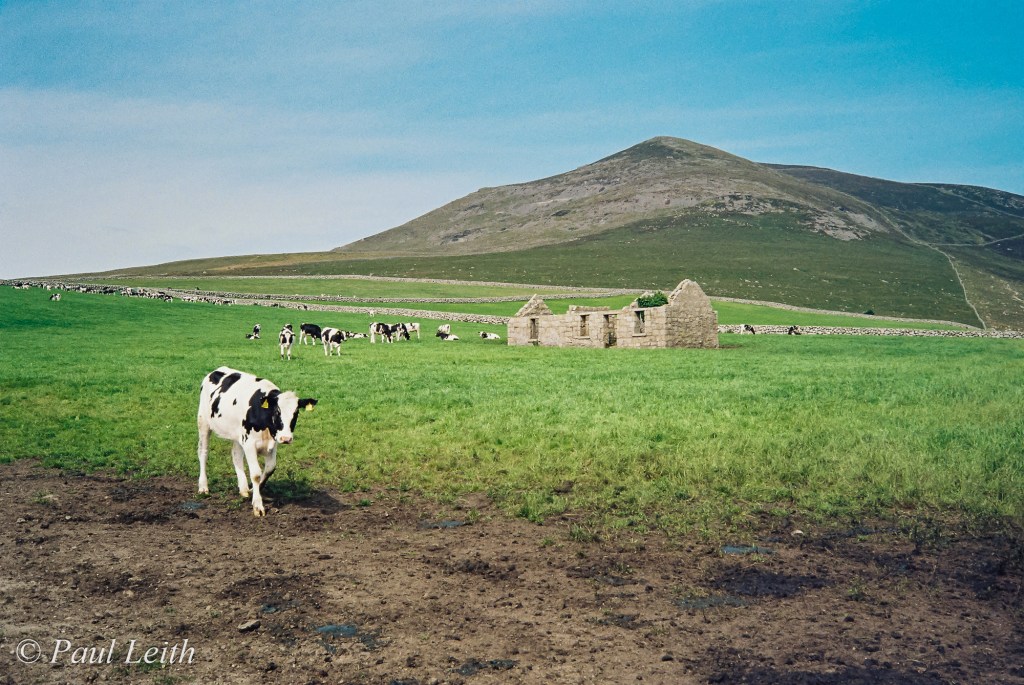
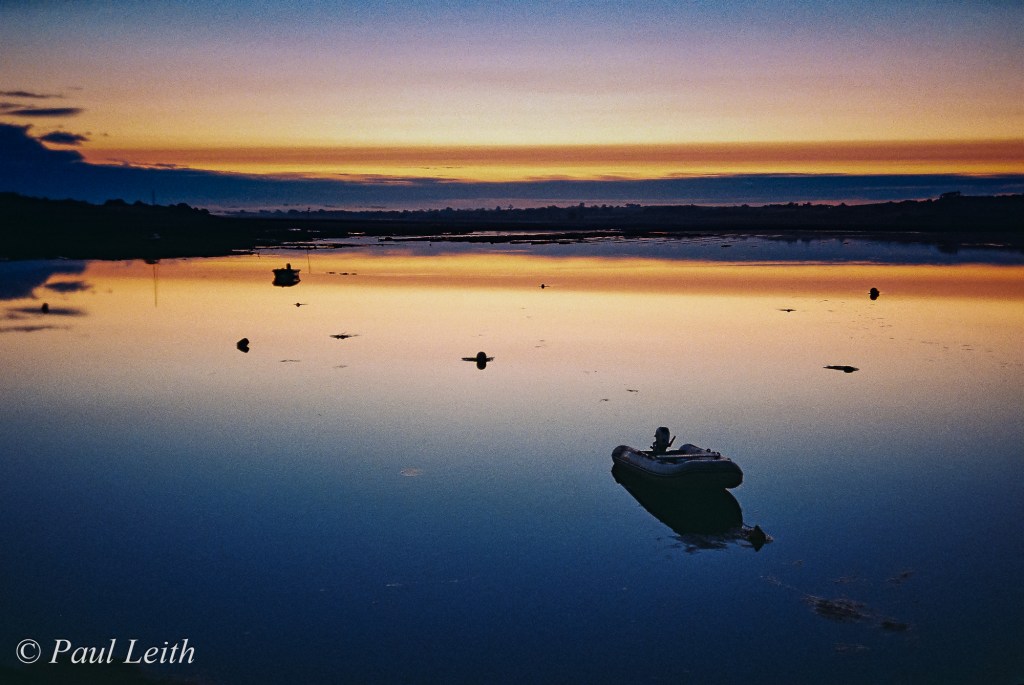
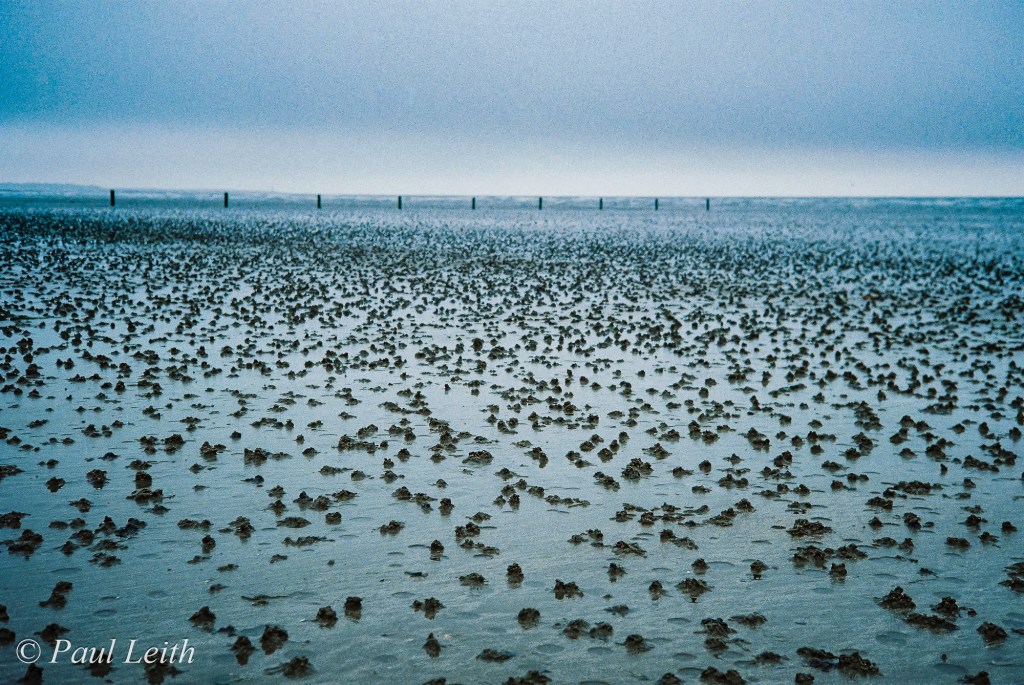

Some of my most favourite recent film photos have been taken on the 35 RC, it really is that good 🤩 In full automatic mode (i.e. shutter priority), the aperture / metering decisions the camera makes are flawless.
Of course no camera is perfect, and to be fair to the 35 RC, my only quibble is nothing to do with 675 batteries and eBay adapters (PX625’s are easy to find), instead it’s the very thin aperture ring … I’ve often changed the aperture from f11 to f5.6 only to find that I’ve accidentally moved the focus too, grrr. I’ve lost a number of photos because of this problem, so my routine with the 35 RC is now change the aperture first, then focus.
Conclusion
As you can see, from my first foray into the world of compact cameras, that are fully functional, the Rollei B35 and Olympus 35 RC have proven to be big winners! I’m so happy I stumbled upon them, as they’re now always in my hiking bag, or weekend city-breaks !
Until my next blog, keep shooting film ! Paul
